15 Smart Ways to Arrange Furniture With an Open Concept Floor Plan
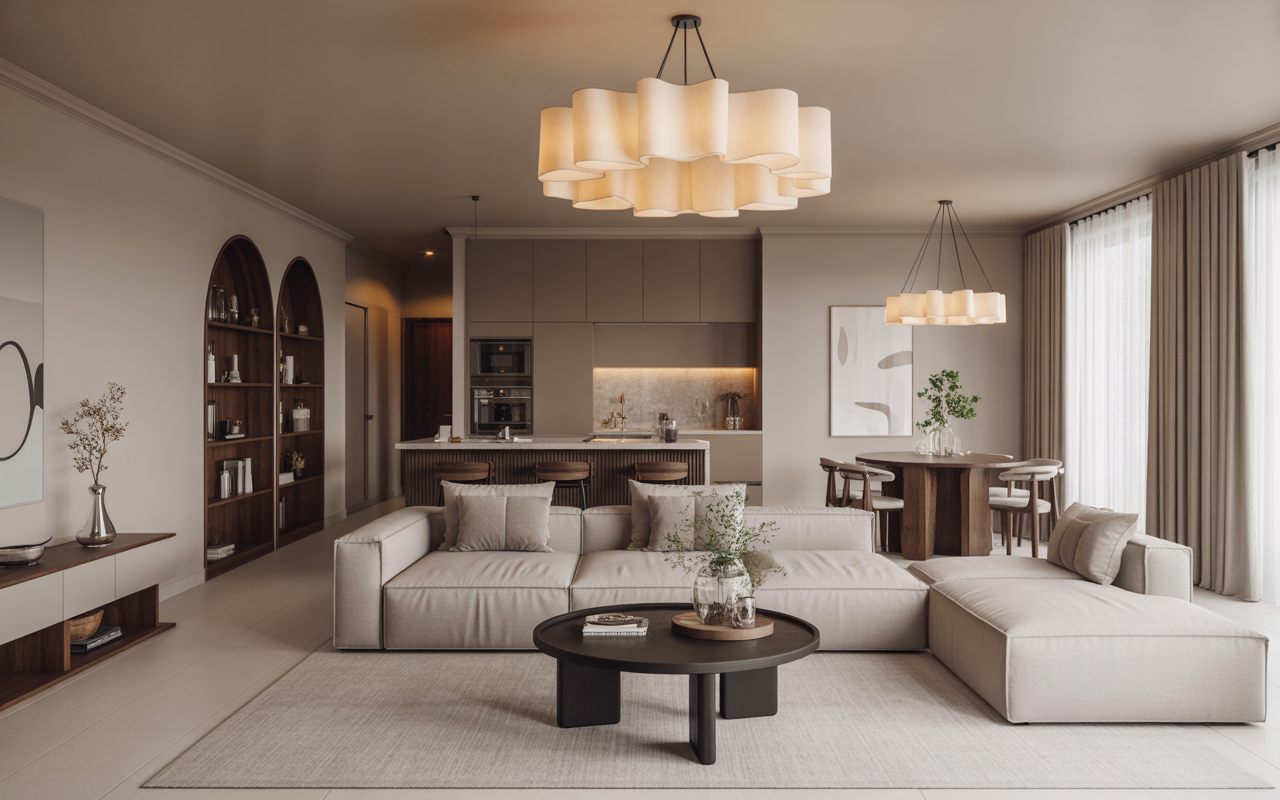
Arranging furniture in an open concept floor plan can be both a delightful challenge and a rewarding experience. This style encourages a sense of flow and connection between spaces, making your home feel more inviting and spacious. A well-thought-out arrangement not only enhances functionality but also creates a warm and welcoming atmosphere for family and friends.
1. Define Zones with Area Rugs
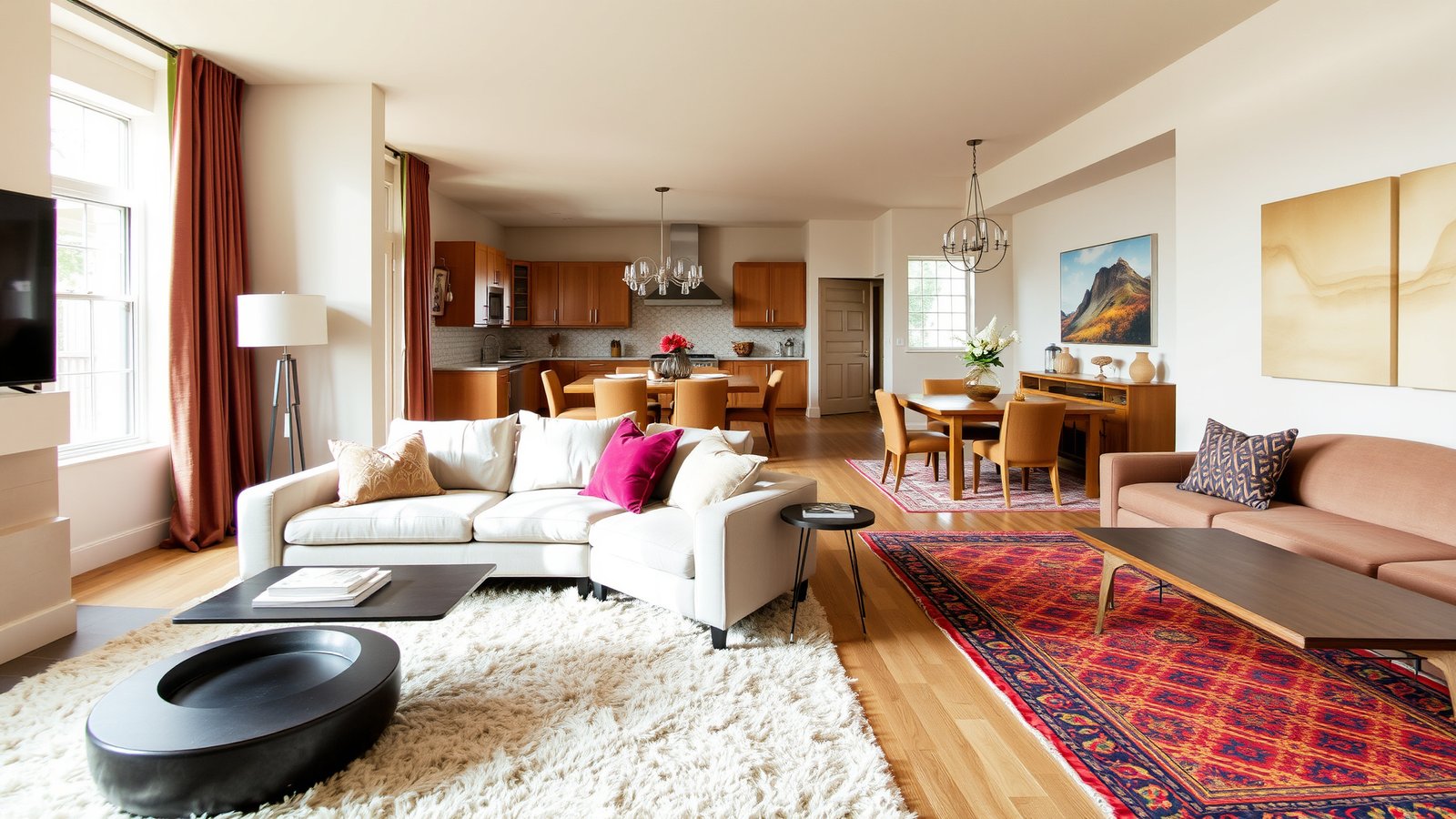
Using area rugs is a fantastic way to define different zones in your open concept space. For example, place a soft, plush rug under your living room seating area to create a cozy nook, while a more vibrant or patterned rug can define the dining area. This visual separation helps each area feel distinct while maintaining an open feel. By employing area rugs, you can improve the overall flow of your home, making each space feel purposeful. As a simple tip, choose rugs that complement the color palette of your furniture to create harmony. For a warm, inviting look, consider earthy tones or soft pastels.
Helpful Styling Tips
- Layer rugs for added texture.
- Choose rugs with non-slip backing for safety.
- Mix and match patterns for a playful vibe.
2. Create a Focal Point
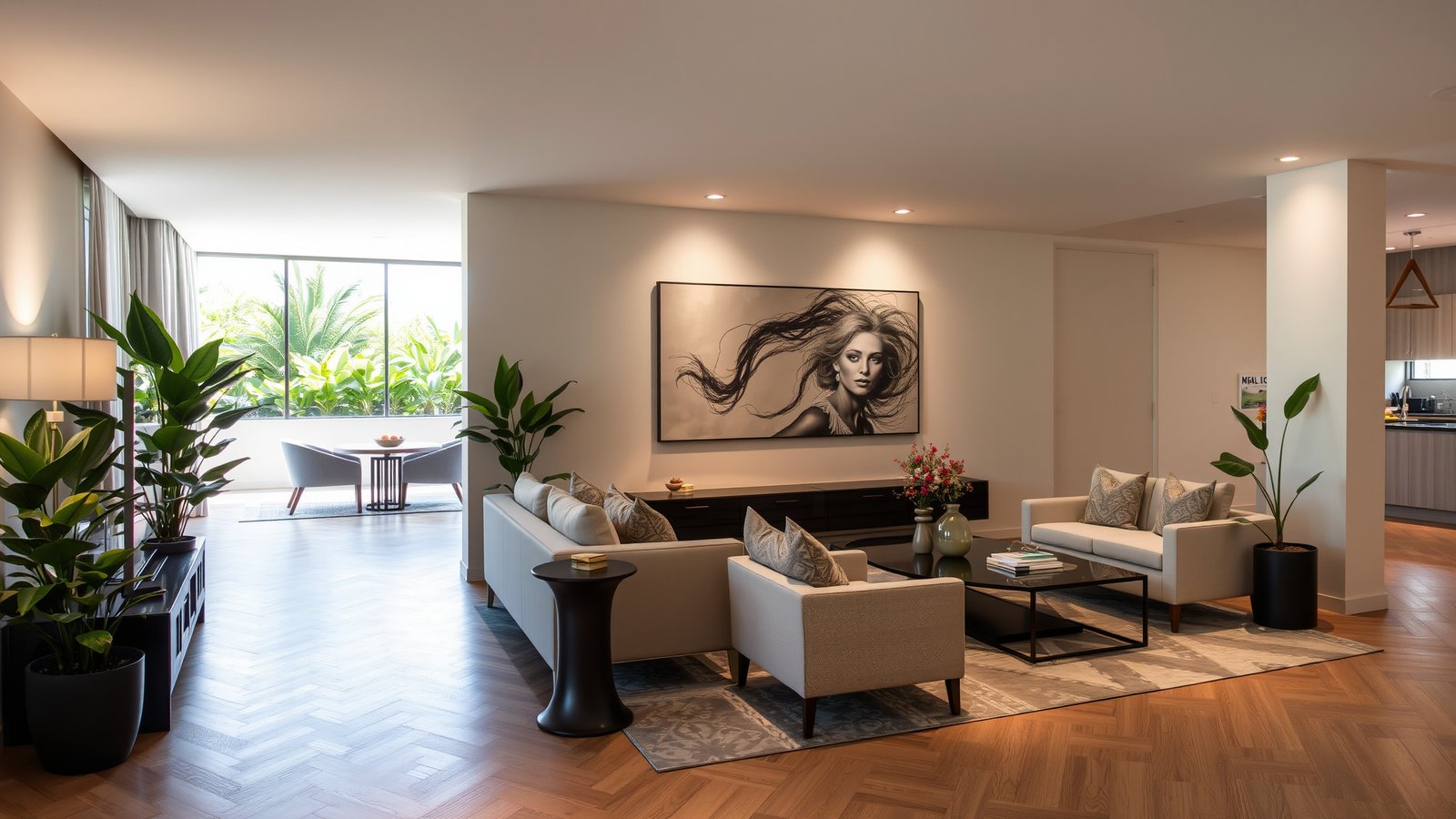
Establishing a focal point in your open concept area can anchor the space beautifully. This could be a stunning piece of artwork, a striking piece of furniture, or even a fireplace. Position seating around this focal point to naturally draw people in and create a sense of unity. A focal point enhances the overall ambiance and can significantly uplift the mood of your home. As a practical tip, choose a large piece that resonates with your personal style. If you opt for an artwork, ensure it’s hung at eye level to create a visually appealing centerpiece.
Helpful Styling Tips
- Use lighting to highlight your focal point.
- Keep accessory decor minimal to avoid distraction.
- Incorporate plants around the focal area for a fresh touch.
3. Use Multi-Functional Furniture
When working with an open concept floor plan, multi-functional furniture can be a game-changer. Look for pieces like ottomans that can serve as both seating and storage, or coffee tables that can double as desks. These versatile items maximize space while providing practical solutions. Multi-functional furniture not only saves space but also enhances the flow of your home, making it feel less cluttered. A great tip is to choose items with a cohesive design to maintain a seamless look throughout your space. Neutral colors work well to keep things light and airy.
Helpful Styling Tips
- Opt for stackable chairs for easy storage.
- Consider a sofa bed for extra sleeping space.
- Choose a coffee table with built-in storage compartments.
4. Arrange Seating in a Conversational Layout
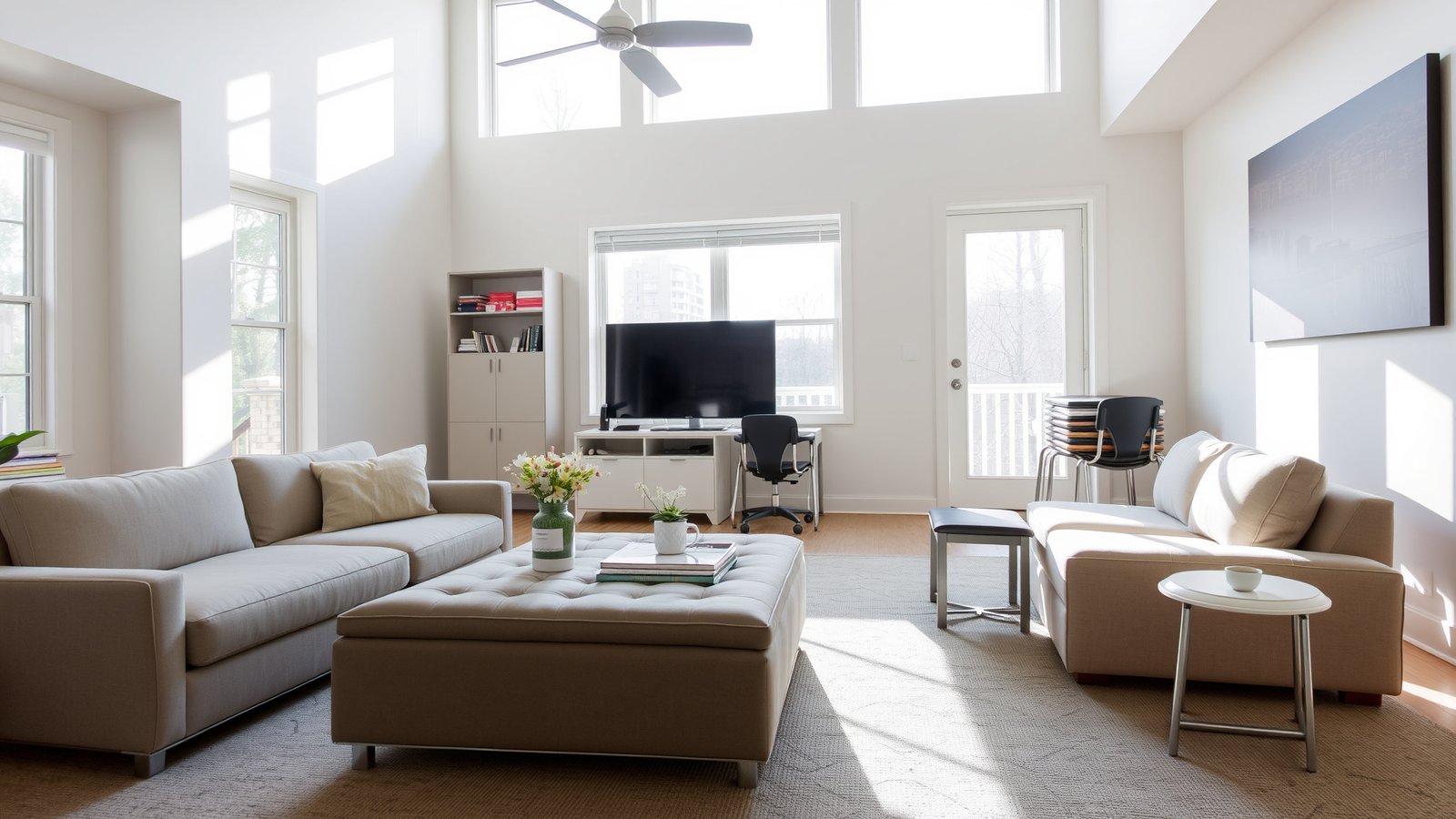
In an open concept floor plan, arranging seating in a conversational layout can foster connections and enhance the social atmosphere. Position sofas and chairs facing each other or in an L-shape to encourage interaction among guests. This setup makes gatherings feel more intimate and inviting. This arrangement not only improves the energy of the space but also allows for better communication. For a practical tip, ensure there’s about 18 inches between seating for easy movement. Adding a small side table between chairs can also serve as a functional surface for drinks.
Helpful Styling Tips
- Incorporate poufs for extra seating without taking up much space.
- Add throw pillows to enhance comfort.
- Vary the heights of furniture for visual interest.
5. Incorporate Lighting Strategically
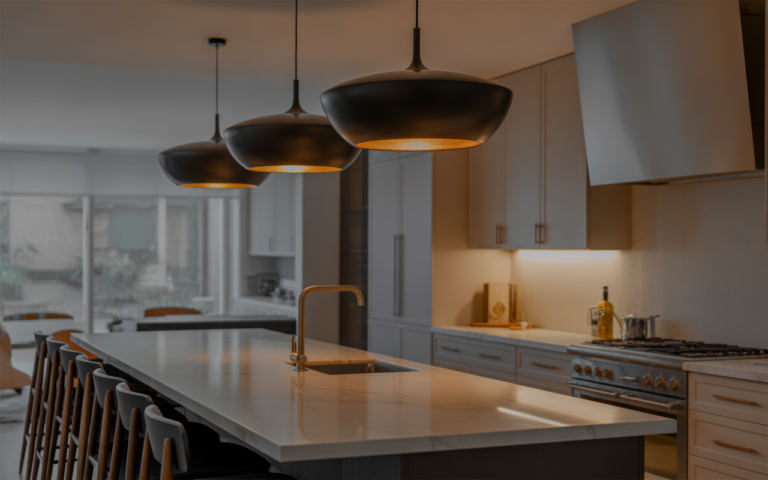
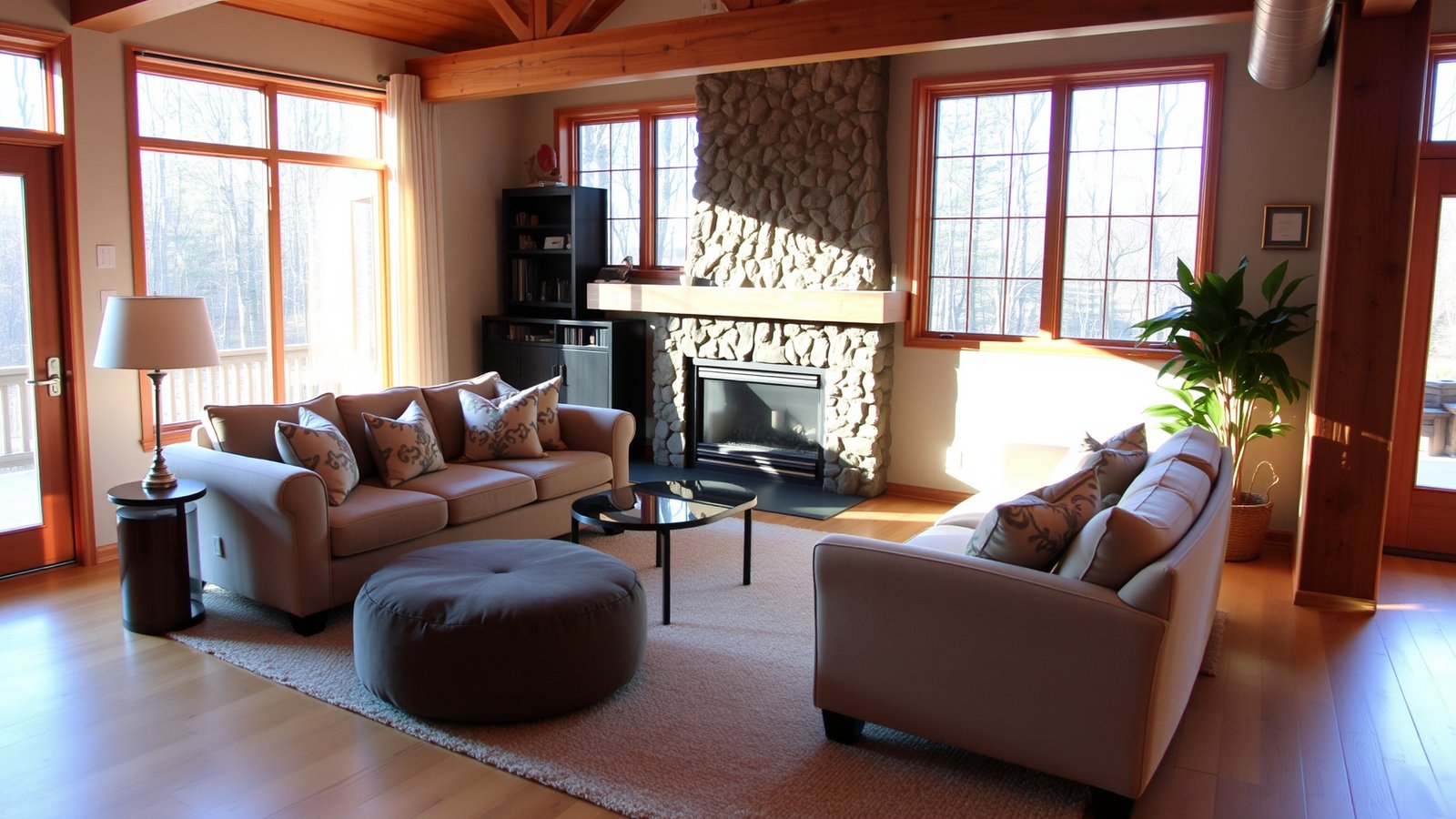
Lighting plays a crucial role in defining spaces and setting the mood in an open concept layout. Use a mix of ambient, task, and accent lighting to create warmth and functionality. For instance, pendant lights over a dining table can visually separate it from the living area while providing necessary light. Strategic lighting not only improves visibility but also elevates the overall ambiance of your home. A practical tip here is to layer your lighting sources to achieve a balanced look. Consider dimmable options to adjust the mood based on the time of day or occasion.
Helpful Styling Tips
- Use floor lamps to create cozy reading nooks.
- Incorporate wall sconces to free up table space.
- Choose warm light bulbs for an inviting glow.
6. Embrace Open Shelving
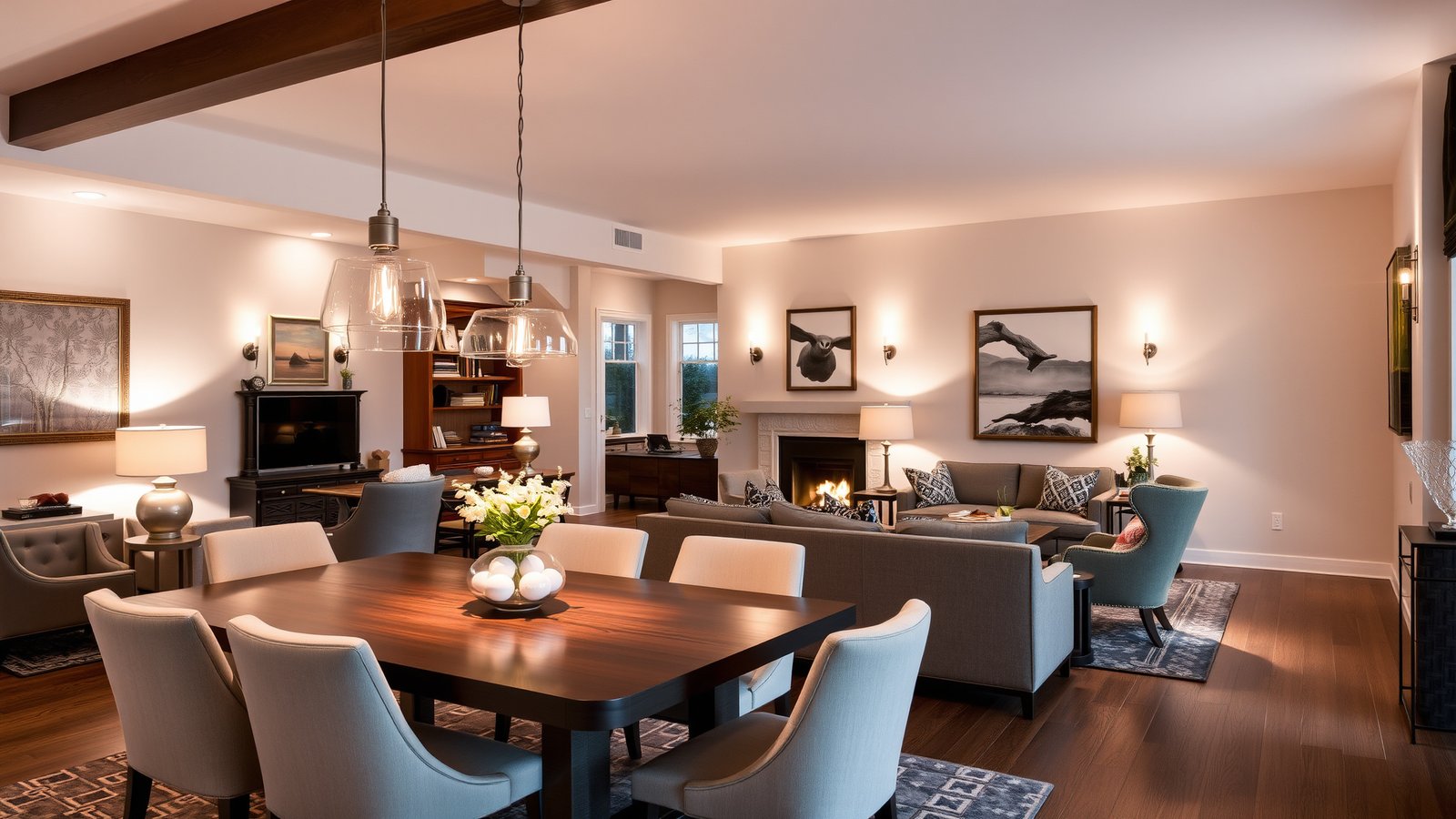
Open shelving can be a stylish way to showcase your favorite items while keeping the space feeling open and airy. Use shelves to display books, plants, and decorative pieces that reflect your personality. Place them between the kitchen and living area to create a visual bridge. This arrangement not only adds character to the space but also encourages a sense of openness. A practical tip is to group items in odd numbers for a more pleasing display. Consider incorporating a mix of heights and textures to keep things visually engaging.
Helpful Styling Tips
- Use baskets for a tidy look on shelves.
- Incorporate plants for a fresh, lively touch.
- Rotate items seasonally for a fresh feel.
7. Use Color to Separate Spaces
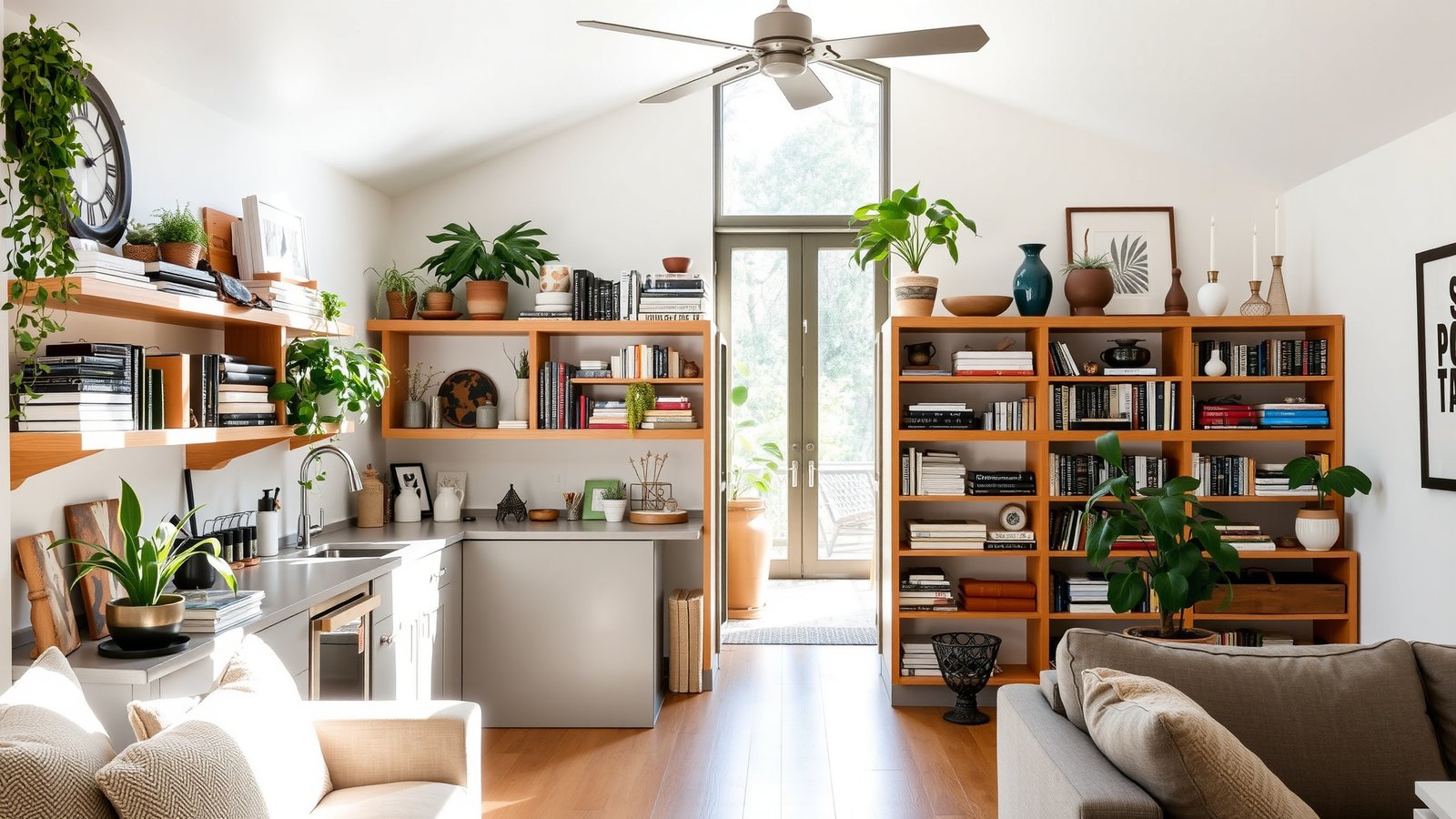
Color can be a powerful tool in an open concept layout. By painting different areas in complementary colors, you can create distinct zones without the need for physical barriers. For instance, a soft blue dining area can seamlessly transition to a warm beige living space. Using color not only enhances the aesthetic appeal but also helps to establish an emotional tone for each area. To try this, select colors that share undertones for a cohesive look. Soft pastels can create a calming atmosphere, while bold hues can energize the space.
Helpful Styling Tips
- Use color swatches to test shades before painting.
- Incorporate accent walls for added interest.
- Use furniture to echo the wall colors for harmony.
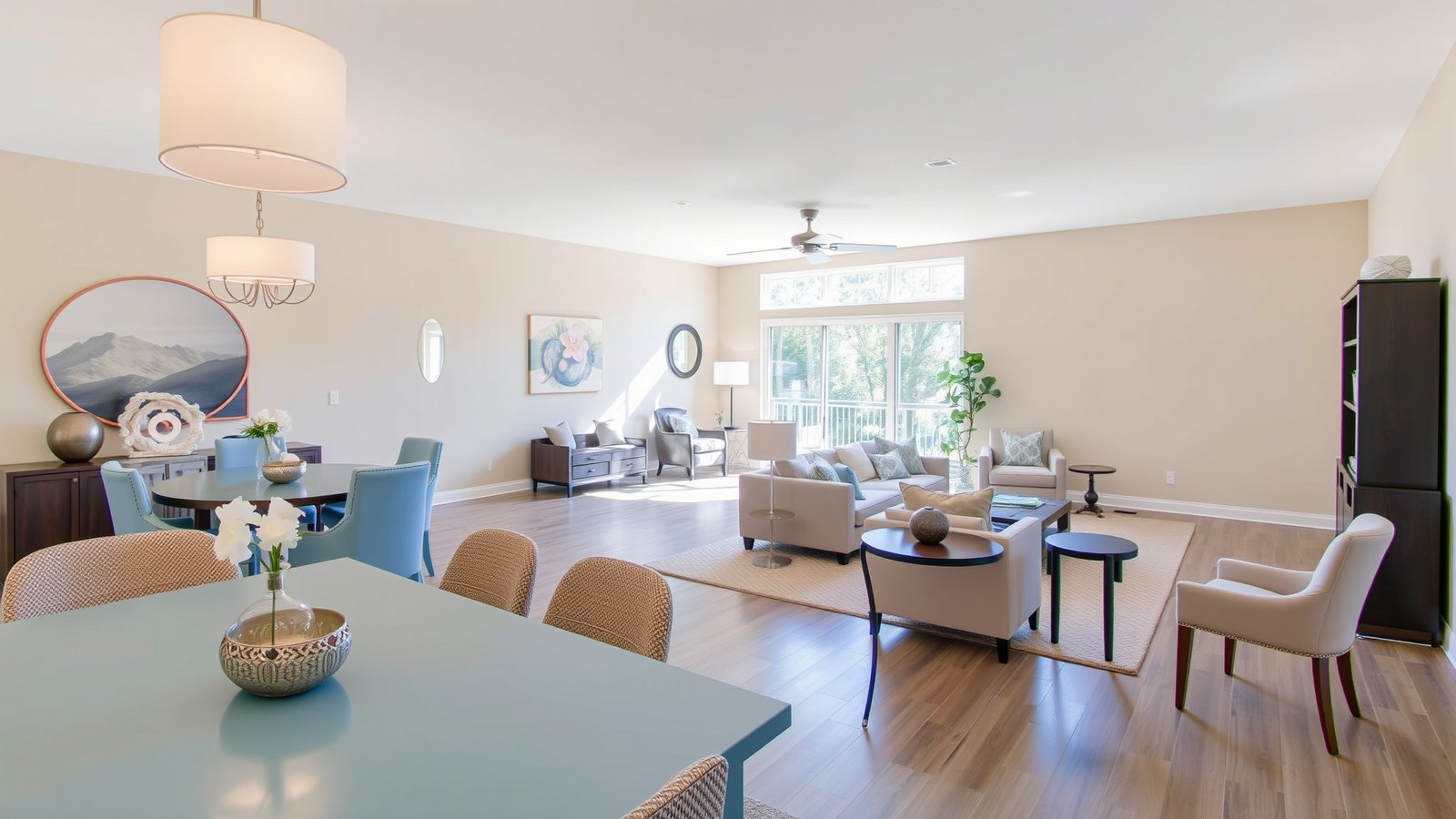
8. Create a Flow with Pathways
Establishing clear pathways in your open concept space is essential for both functionality and movement. Ensure there’s enough space between furniture to allow easy navigation. For example, leave at least 3 feet of walking room between a sofa and a coffee table. Creating flow not only enhances the usability of your home but also contributes to a more relaxed atmosphere. A practical tip is to arrange furniture in a way that guides guests through the space naturally, avoiding clutter that can disrupt movement.
Helpful Styling Tips
- Use furniture that allows for easy movement.
- Keep walkways clear of decorative items.
- Place larger furniture pieces against walls to open up pathways.
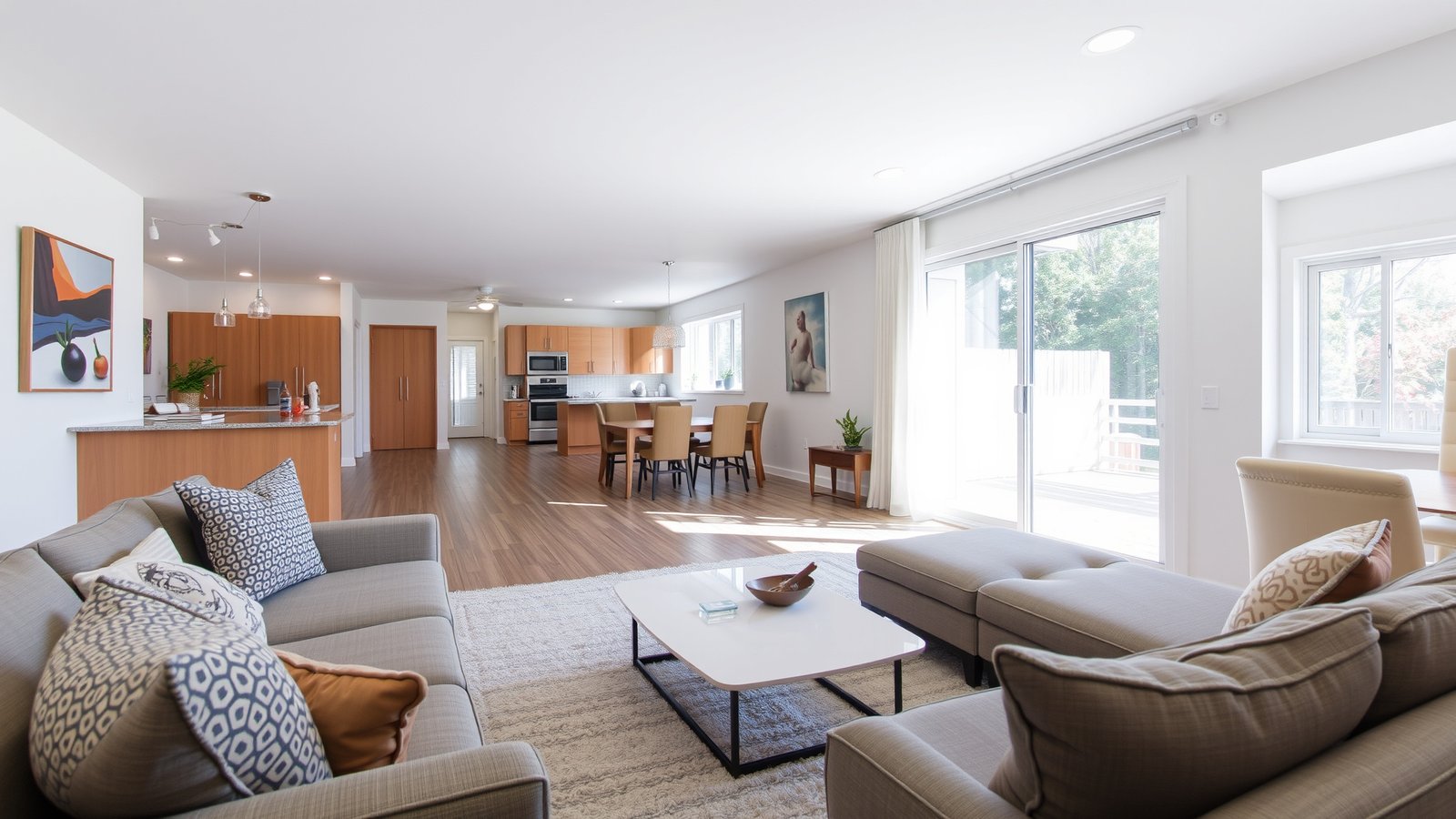
9. Use Vertical Space Wisely
In an open concept layout, it’s essential to make the most of your vertical space. Tall bookshelves or high cabinets can draw the eye upward and create the illusion of a larger area. Consider using floating shelves to display decorative items without taking up floor space. Utilizing vertical space enhances the overall design and can make your home feel more expansive. A practical tip is to arrange items on shelves based on height, placing taller items at the back and shorter ones in front for visual balance.
Helpful Styling Tips
- Incorporate plants on high shelves for a lively touch.
- Use tall vases for added height on tables.
- Hang artwork at eye level to draw attention upward.
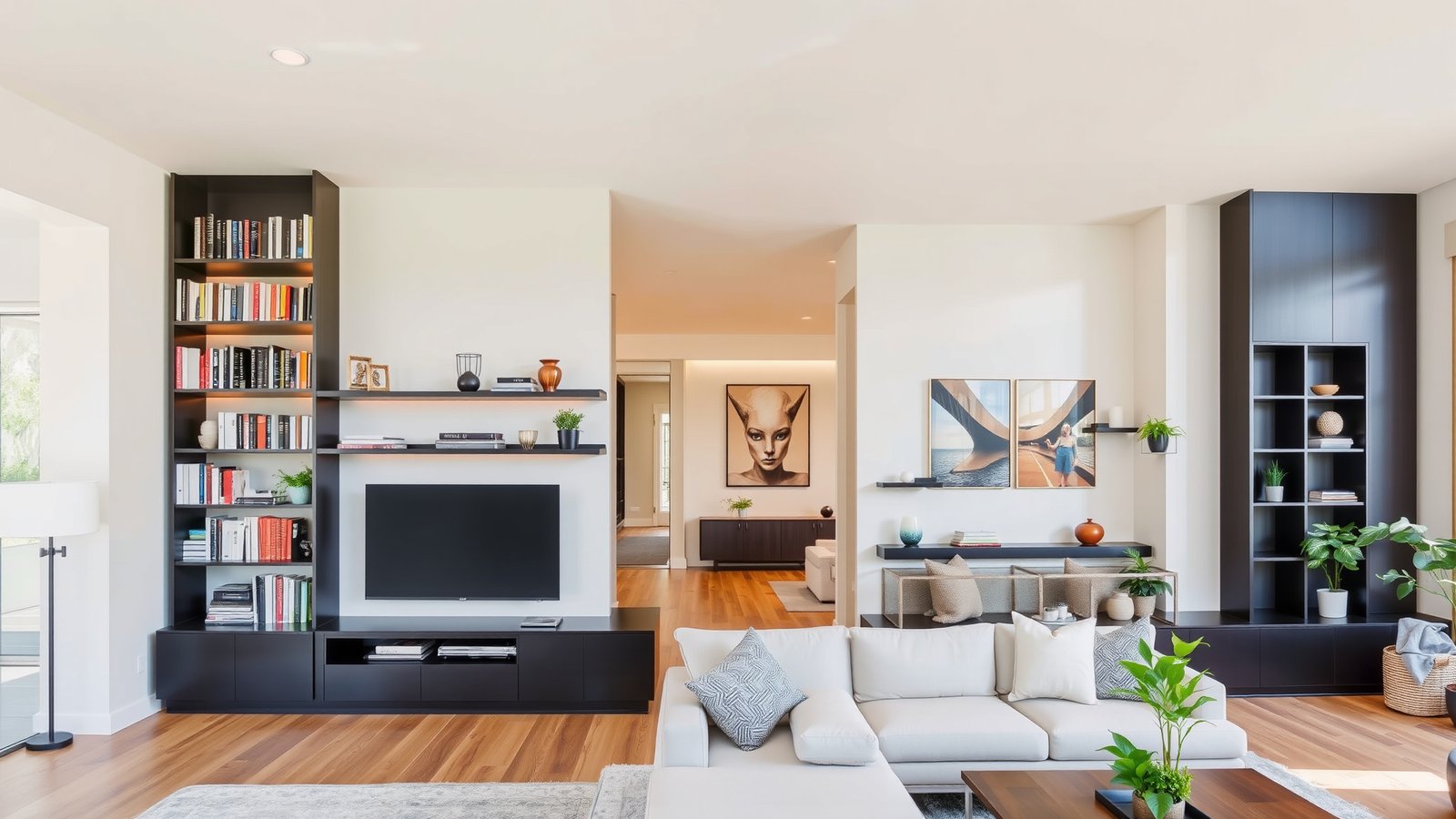
10. Layer Textures for Depth
Layering textures can add depth and warmth to an open concept space. Combine different materials like wood, metal, and fabric to create a rich and inviting atmosphere. For example, pair a wooden coffee table with a plush sofa and metallic accents to enhance visual interest. Layering textures not only makes the space feel cozy but also adds personality to your home. A practical tip is to start with a neutral base and then introduce textures through pillows, throws, and decor items. This keeps the look cohesive yet dynamic.
Helpful Styling Tips
- Mix materials like wool, linen, and leather for a cozy feel.
- Use textured throws and pillows to enhance comfort.
- Incorporate natural elements like wood and stone for warmth.
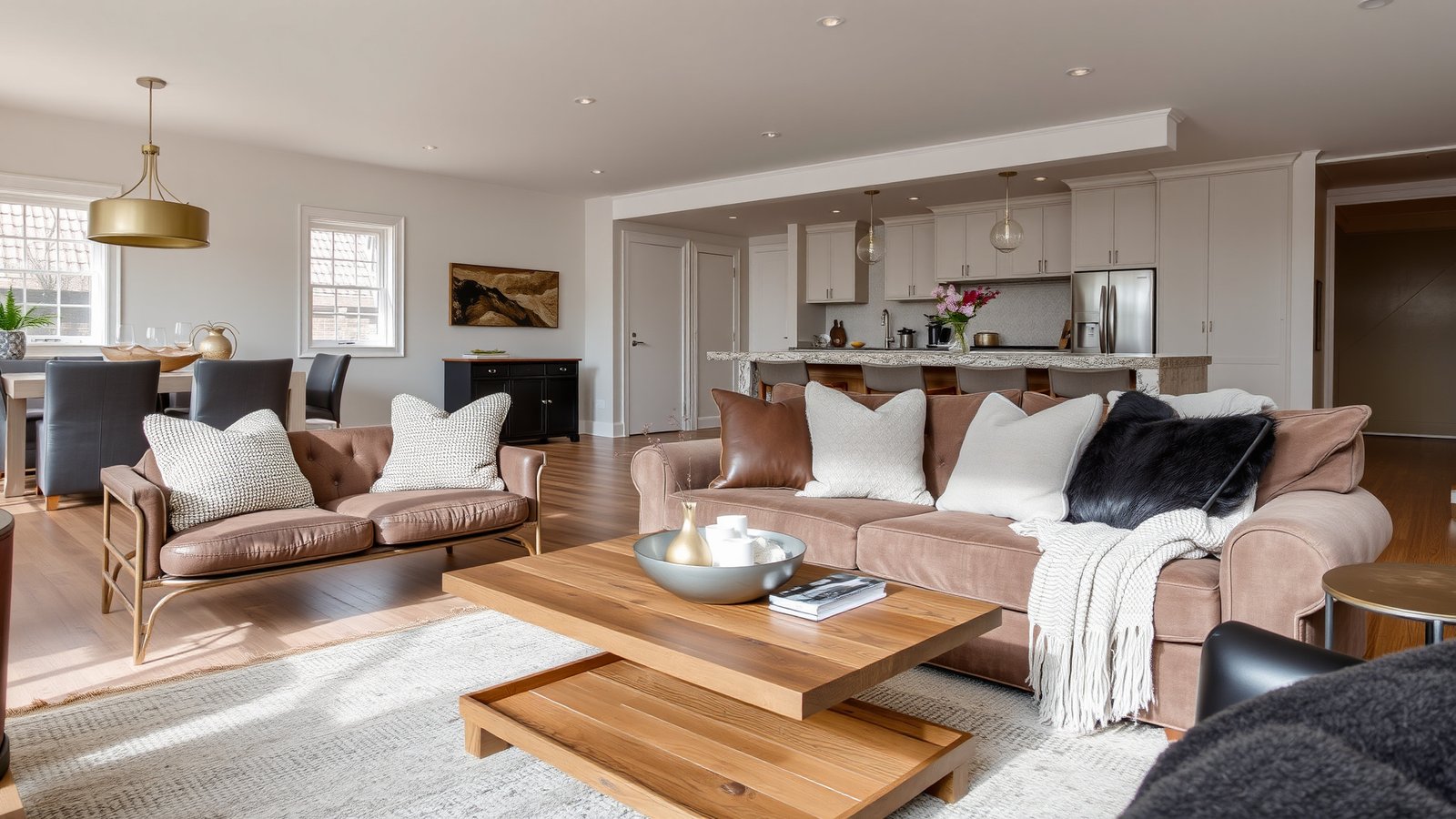
11. Incorporate Greenery
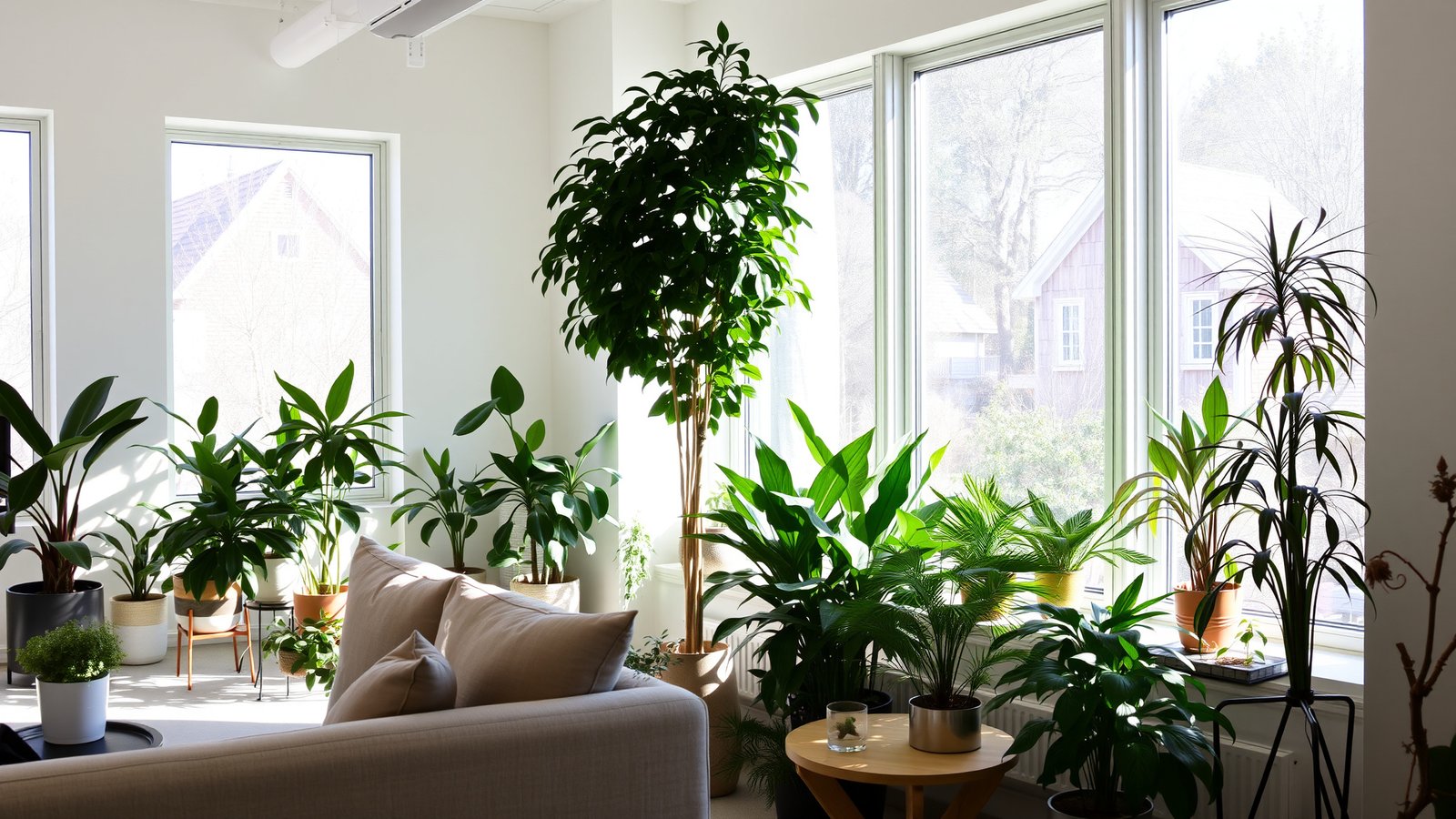
Adding plants to your open concept space can breathe life into your home. Choose a variety of indoor plants, from tall floor plants to small tabletop varieties, to create a lush, vibrant atmosphere. Position them near windows to benefit from natural light. Plants not only enhance aesthetics but also improve air quality, making your home feel fresher and healthier. A simple tip is to group plants in odd numbers for a more appealing display and to vary the heights for added visual interest.
Helpful Styling Tips
- Choose low-maintenance plants if you’re new to gardening.
- Use decorative pots that complement your décor style.
- Rotate plants regularly for even growth and freshness.
12. Use Dividers for Subtle Separation
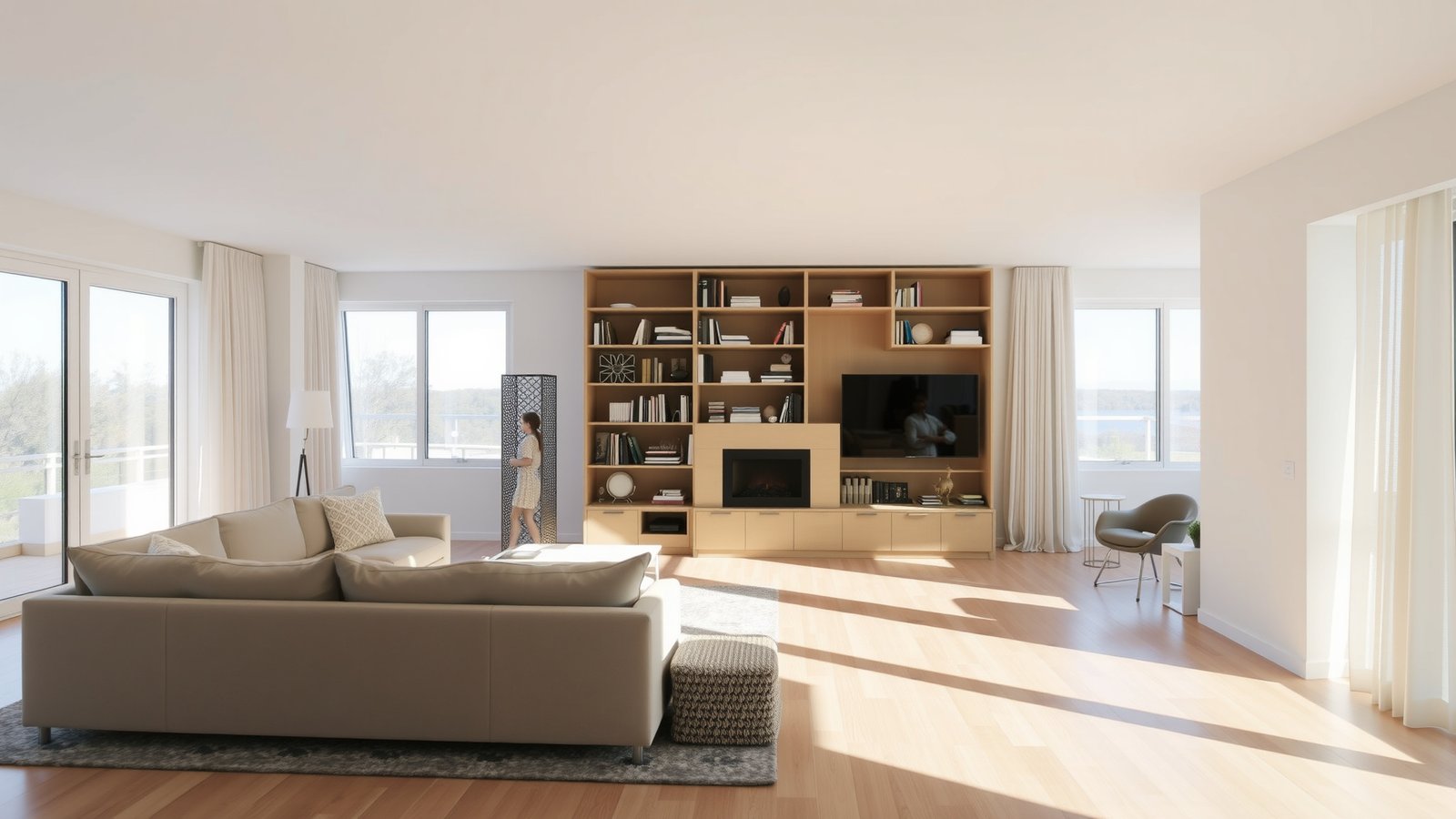
When you want to create subtle separation in an open concept space, consider using dividers like bookshelves, curtains, or decorative screens. These can help define areas without completely closing off the space, maintaining the open feel while adding function. Using dividers can enhance privacy and create a sense of belonging in different zones. For a practical tip, choose lightweight and movable dividers so you can easily adjust the layout as needed. Opt for styles that reflect your overall décor theme for a cohesive look.
Helpful Styling Tips
- Use open shelving as a divider to maintain visibility.
- Hang curtains for a soft, flexible separation.
- Choose decorative screens that add character to the space.
13. Personalize with Artwork
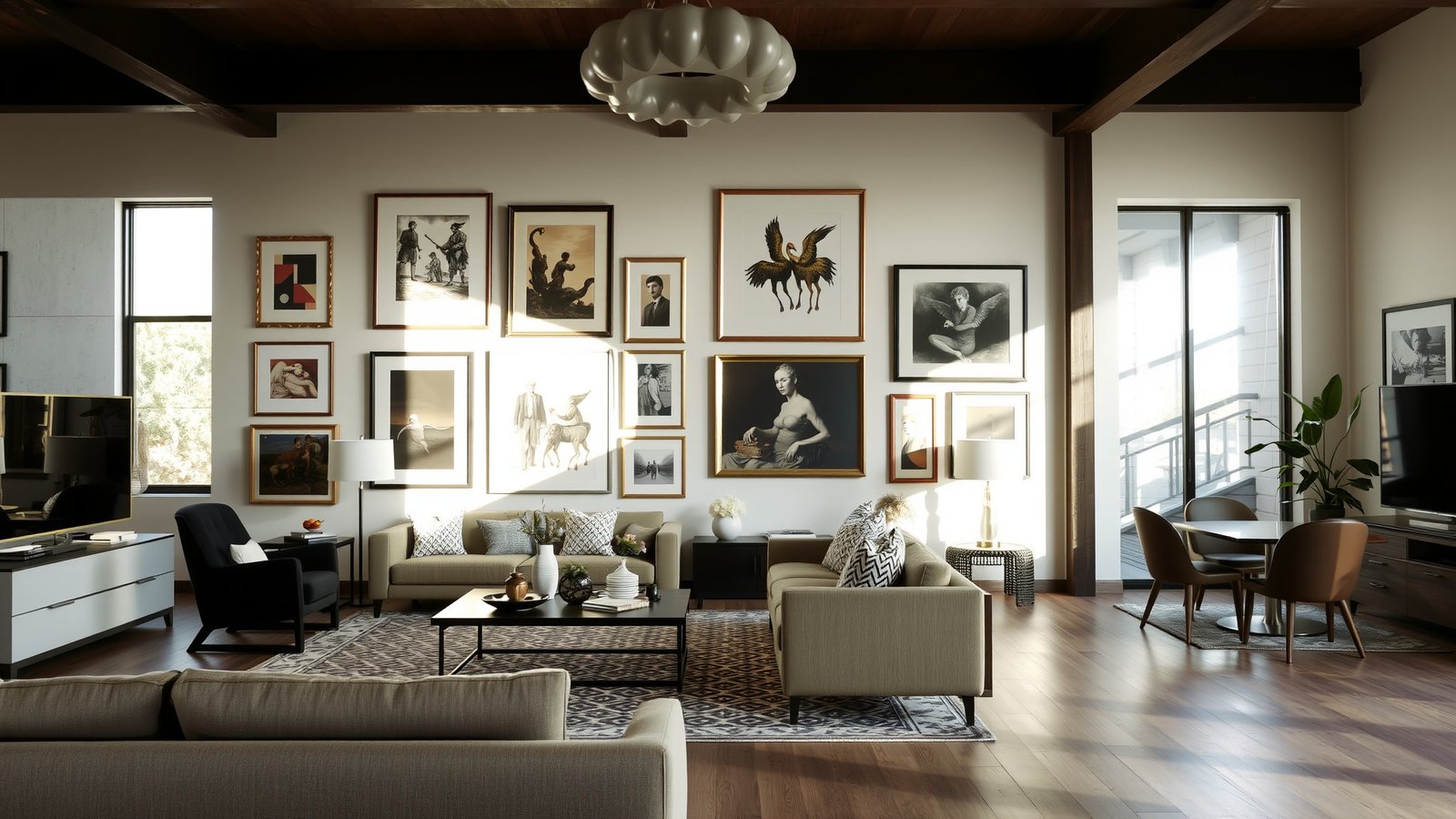
Artwork is a beautiful way to infuse your personality into an open concept area. Choose pieces that resonate with you and reflect your style, whether it’s modern, abstract, or classic. Group smaller pieces together to create a gallery wall that can serve as a stunning focal point. Personalizing your space with art not only enhances its beauty but also creates an emotional connection. For a practical tip, consider the scale of your artwork in relation to the furniture to ensure balance. Large pieces can anchor a space, while smaller ones can add a playful touch.
Helpful Styling Tips
- Rotate artwork seasonally for a fresh look.
- Use a mix of frames for an eclectic feel.
- Hang art at eye level for maximum impact.
14. Focus on Functional Layouts
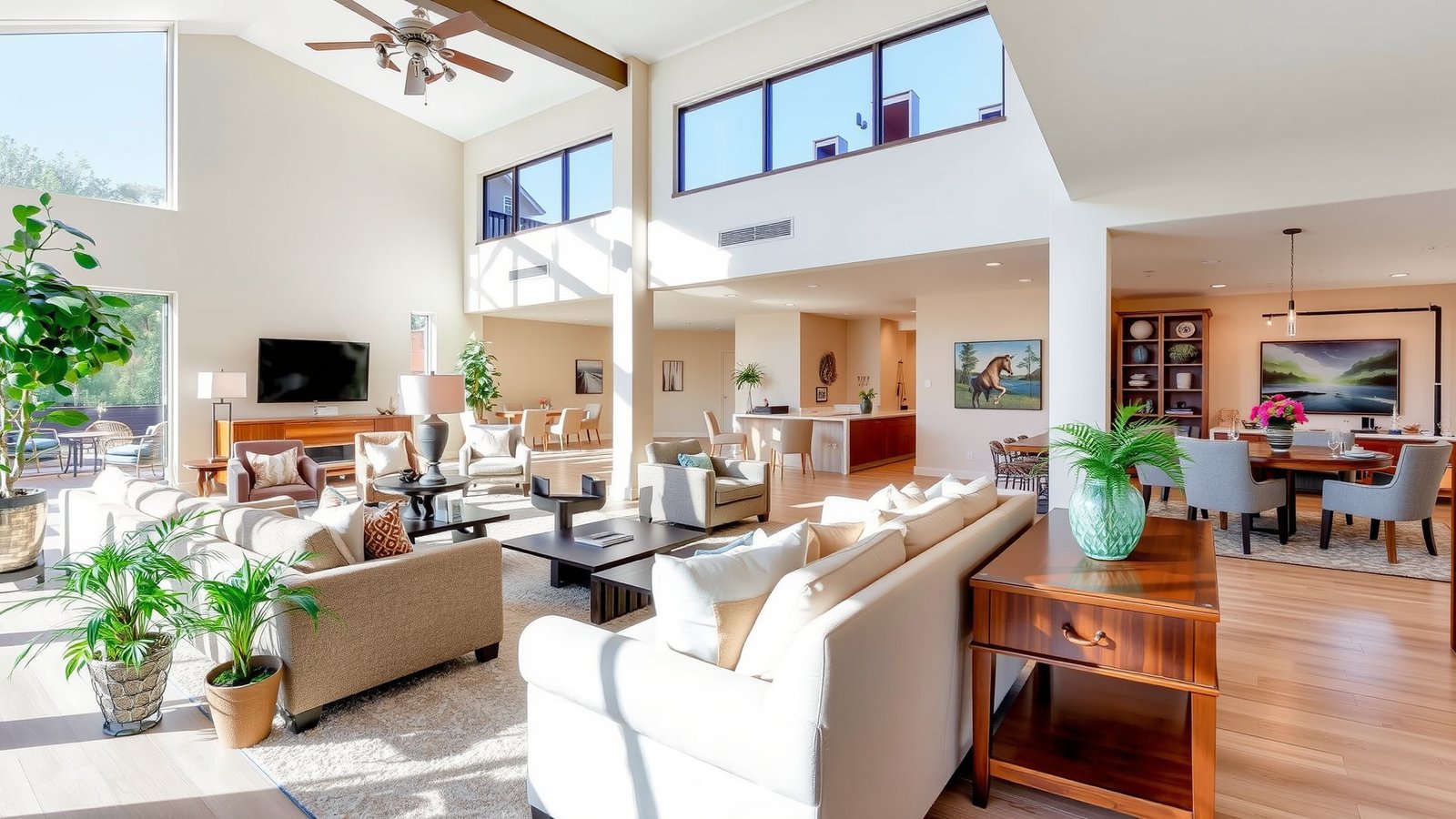
In an open concept space, it’s essential to prioritize functionality in your layout. Consider how you use each area and arrange furniture accordingly. For instance, if you frequently entertain, ensure there’s ample seating and clear pathways for movement during gatherings. A functional layout not only enhances usability but also makes your home feel more organized and welcoming. As a practical tip, observe how you and your family move through the space and adjust the arrangement to facilitate better flow and access.
Helpful Styling Tips
- Consider traffic patterns when placing furniture.
- Keep frequently used items within easy reach.
- Rearrange furniture periodically to refresh the layout.
15. Embrace Minimalism
Embracing a minimalist approach can significantly enhance the openness of your space. Focus on fewer, high-quality pieces that serve a purpose while eliminating clutter. This not only creates a clean aesthetic but also allows each item to shine. A minimalist approach fosters a peaceful atmosphere and can make your home feel more spacious. For a practical tip, regularly assess your belongings and keep only what you love or need. Incorporate storage solutions to maintain a tidy look without sacrificing style.
Helpful Styling Tips
- Use baskets and bins for hidden storage.
- Opt for sleek furniture with clean lines.
- Choose a neutral color palette for a calming effect.
Conclusion
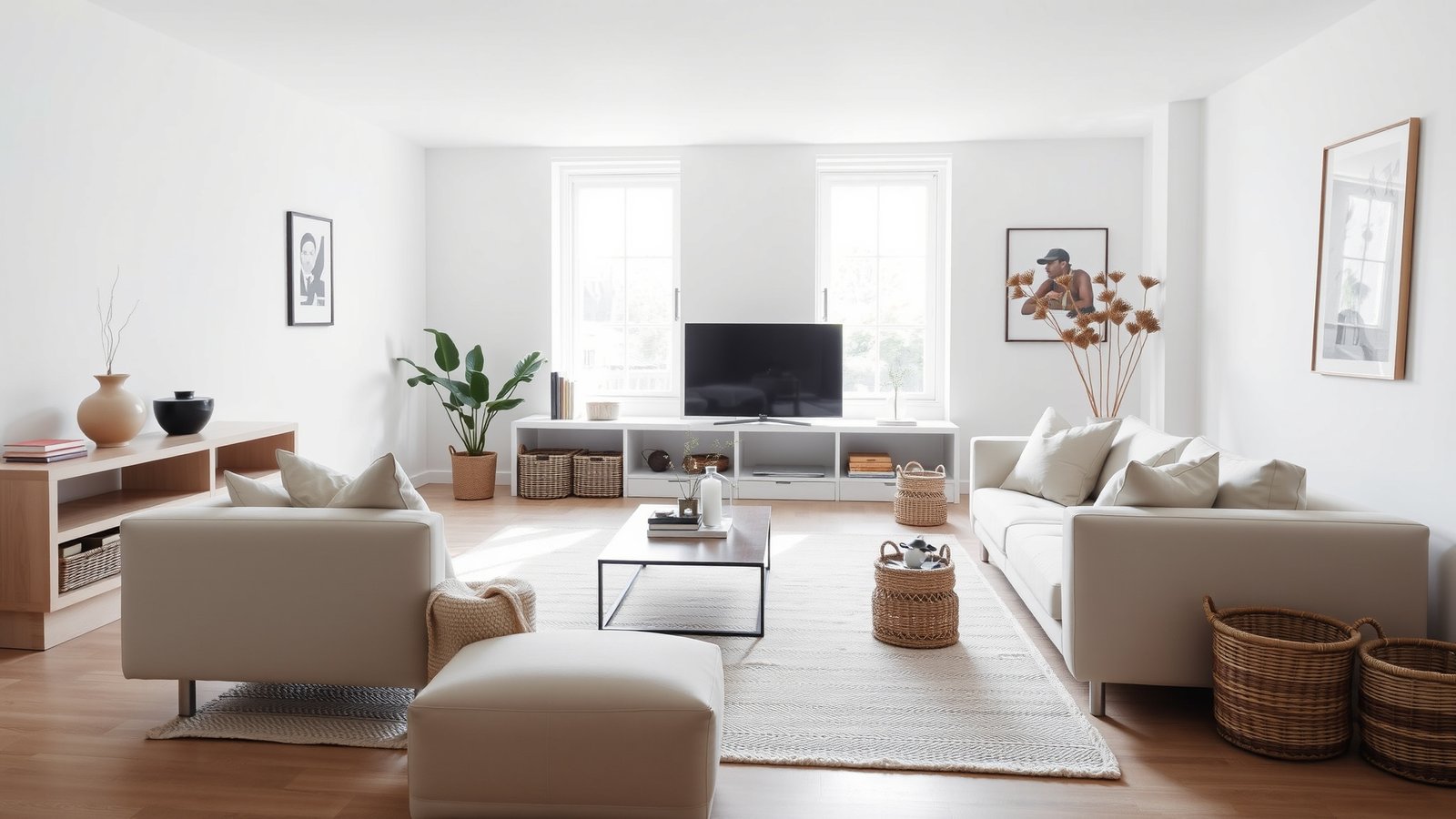
Arranging furniture in an open concept floor plan can be a joyful journey of creativity and personalization. By incorporating these 15 smart ideas, you can transform your space into a warm and inviting haven that reflects your unique style. Remember, the goal is to create a home that feels both functional and welcoming. So why not start today? Choose one or two ideas that resonate with you and bring them to life in your home!